


For a long time, the global hospitality and events world looked in the same directions for design authority. Certain cities, traditions, and visual languages were treated as the standard. But the market is changing. People still expect polish, of course. But polish alone is no longer enough. The wider travel and hospitality world now places more value on culture, authenticity, and experiences that feel connected to place.
This is why I believe Saudi experiential design belongs on the global stage. Not because it is new, and not because Saudi Arabia is simply hosting at a larger scale. It belongs there because it offers something the world is actively looking for: a design language built through heritage, atmosphere, sensory layering, and cultural meaning.
The World is Looking for More than Beautiful Rooms
Today, guests want more than a polished room or seamless service. They want depth. They want memory. They want an experience that feels rooted in something real. That shift matters because it opens space for design languages that are specific, not generic. To me, this is exactly where Saudi experiential design becomes important. It already knows how to work with:
- Place
- Traditions
- Atmosphere
- Memory
- Cultural meaning
These are not details added at the end. They are part of the foundation.
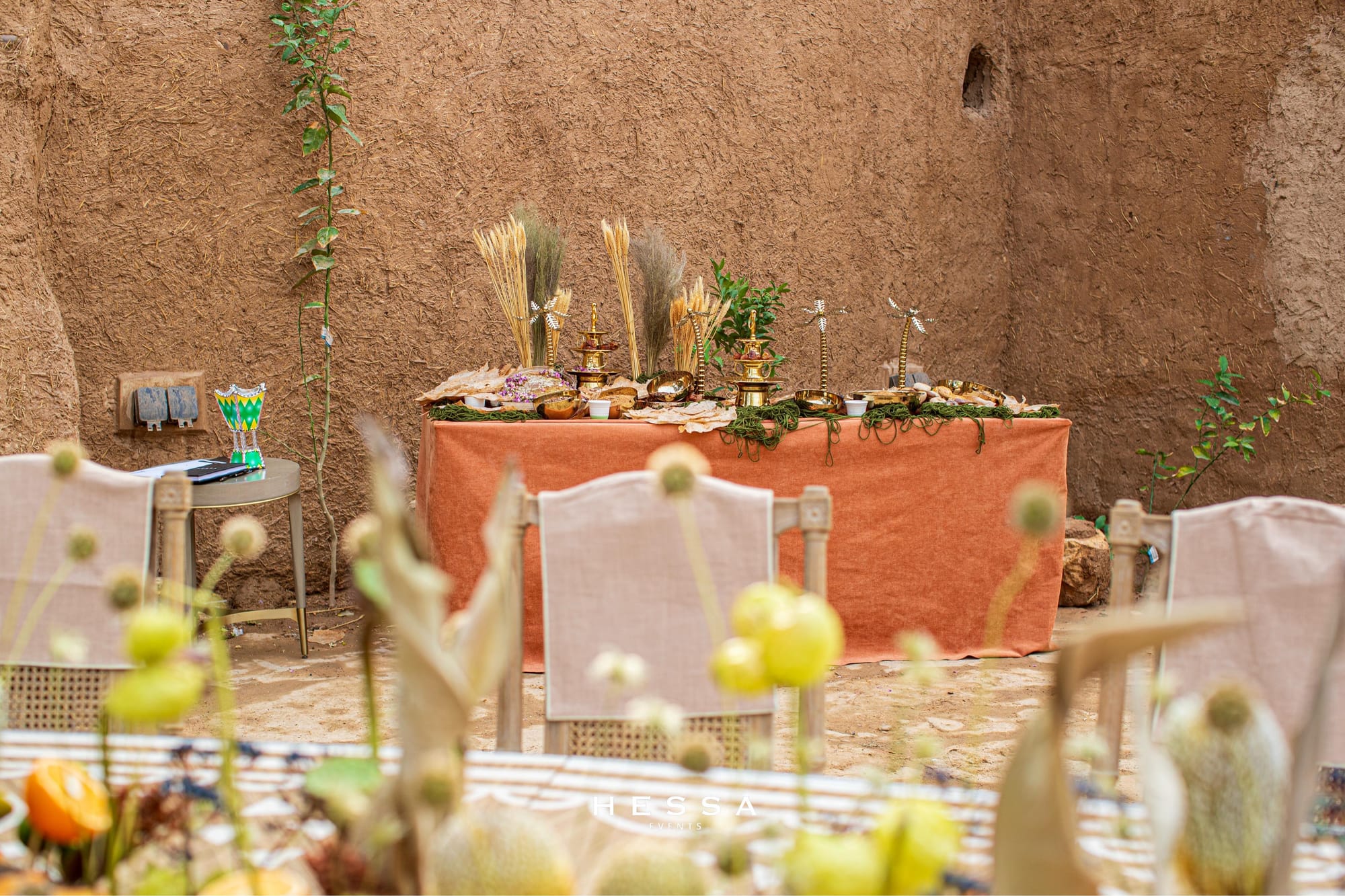
Saudi Arabia is Already Proving Scale
This conversation is happening at the right time. Saudi Arabia is not approaching the global stage quietly. It is already building, hosting, and investing at serious scale. The Ministry of Tourism said the Kingdom welcomed around 116 million domestic and inbound tourists in 2024. Saudi official MICE positioning also highlights major venue capacity and a fast-growing business events market. That matters because Saudi experiential design is not theoretical. It is already being tested in:
- Major destinations
- Large public events
- Hospitality projects
- Cultural spaces
- Saudi Arabia’s fast-growing events industry
The question is no longer whether Saudi Arabia can host. It clearly can. The more important question is what kind of design language it will contribute while doing so.
What Saudi Experiential Design Offers
To me, Saudi experiential design is strongest when it is understood not as décor, but as a way of building experience. It offers heritage as living material, not just visual reference. It offers traditions carried forward through a thoughtful fusion of modernity and rooted values. It offers sensory layering as structure, not surface.
That is important because many things can be copied on the surface. Colors can be copied. Objects can be copied. A certain visual mood can be copied. But a real cultural logic is much harder to copy well. That is where Saudi experiential design has strength.
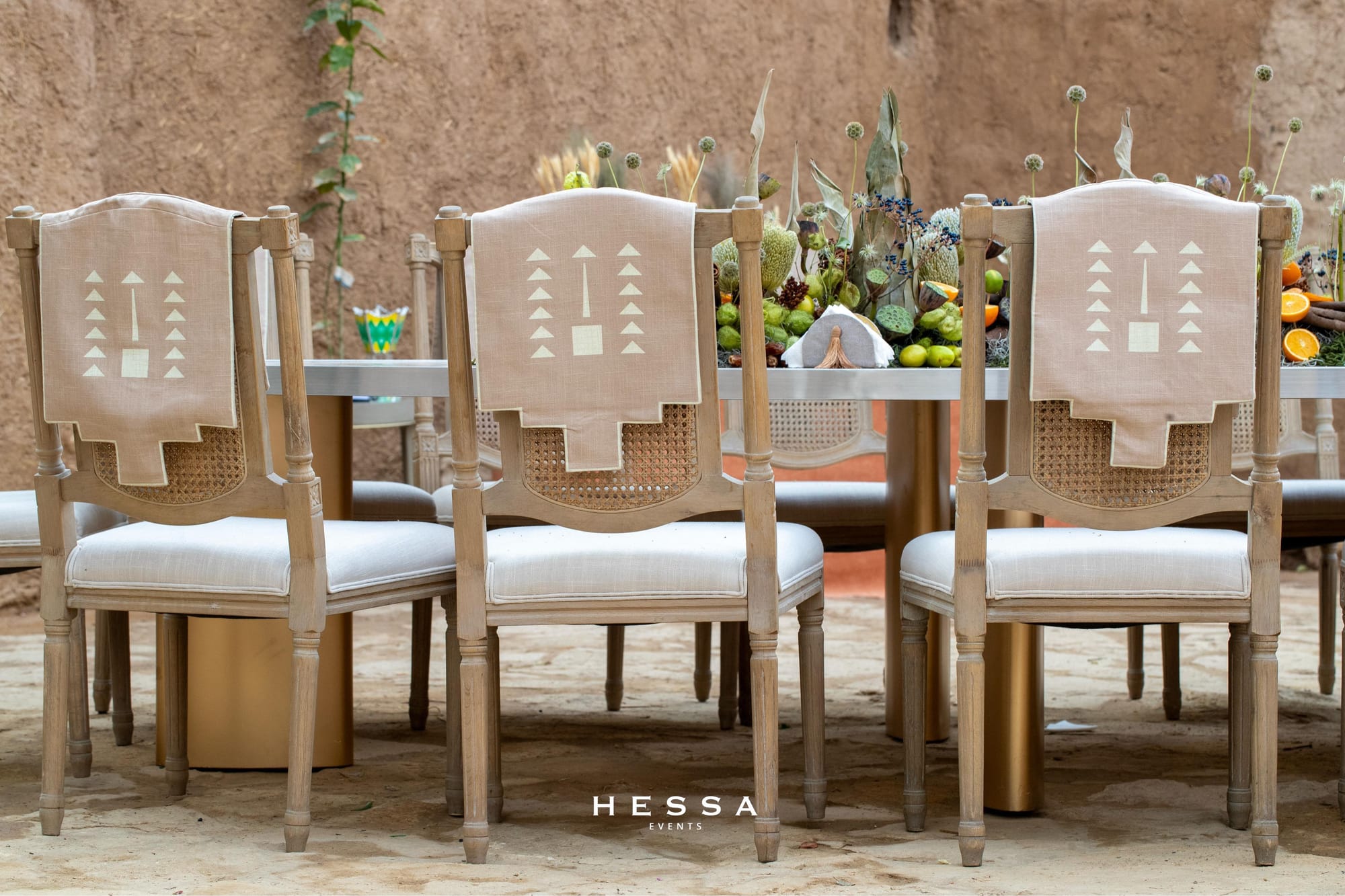
We Are Already Seeing the Direction
Saudi projects are already moving in this direction. Diriyah, for example, is officially positioned around preserving and expressing historic Najdi heritage, while still being developed with a modern vision for how people live, gather, and experience place today. Vision 2030 presents it as a destination built around the birthplace of the first Saudi state and around preserving historic sites. That balance matters. It shows that rooted design does not have to feel stuck in the past. It can carry heritage forward in a way that still feels current, refined, and globally relevant.
That tells us something important. The strongest Saudi work is not trying to decorate itself into relevance. It is building from identity, while giving that identity a modern form. In my view, that is exactly why Saudi experiential design belongs on bigger stages.
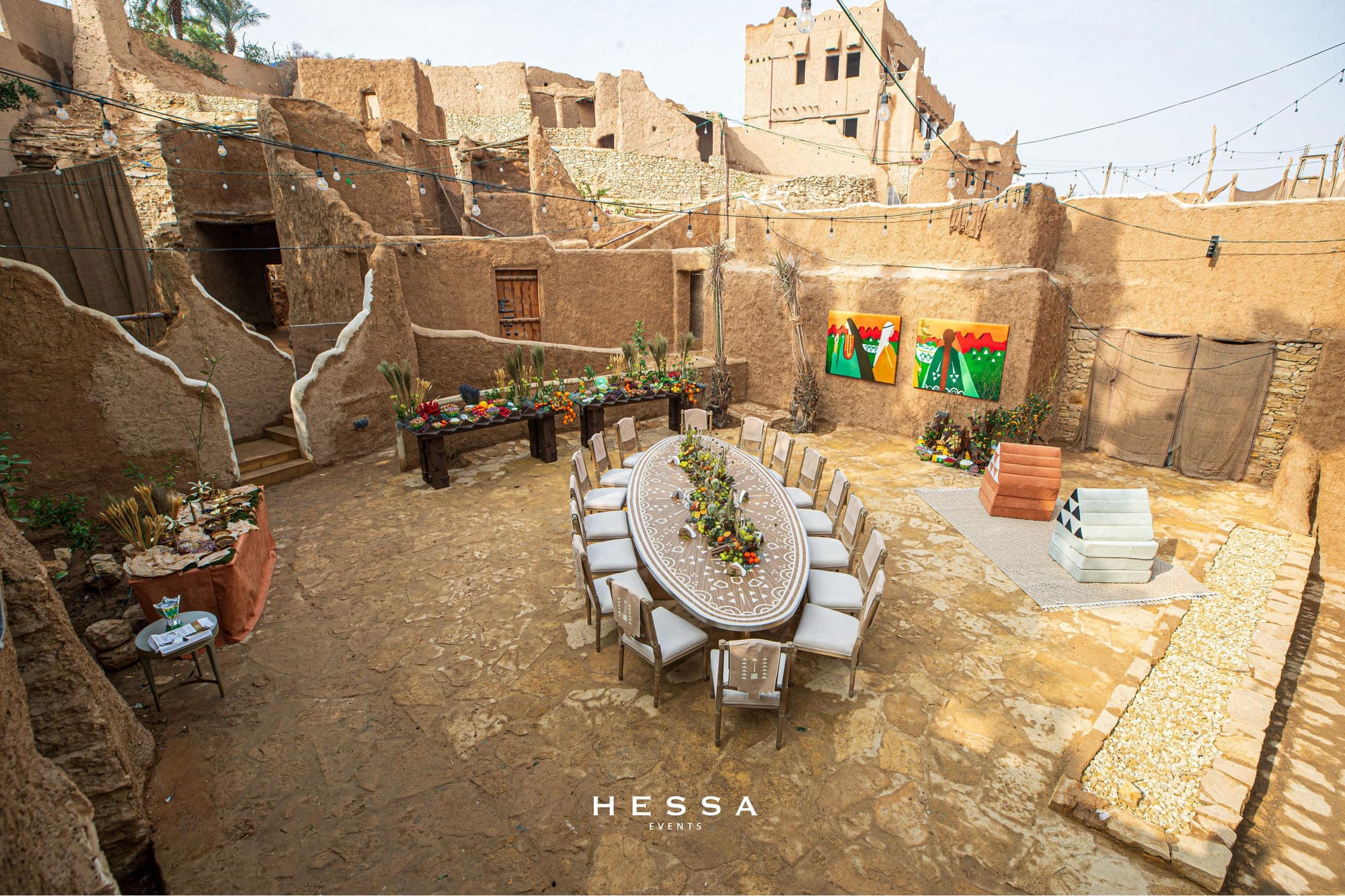
Saudi Design Can be Global Without Becoming Generic
I do not believe Saudi experiential design needs to imitate older hospitality models in order to travel well. In fact, the market is moving in the opposite direction. McKinsey’s research on luxury travel shows that high-end travelers are increasingly looking for experiences, not just products or polished settings.
That creates a real opening. Saudi design can remain rooted in heritage, hospitality, and atmosphere while still feeling globally relevant. It can be:
- Refined without becoming anonymous
- Contemporary without losing its roots
- Large in scale without losing meaning
That balance is where influence begins.
What Still Needs to Change
If there is a gap, I do not think it is a gap of value. I think it is a gap of articulation. Saudi experiential design already has substance. What it needs now is stronger language around it, stronger frameworks, and more people willing to explain it as a serious design and hospitality philosophy.
The world does not only need to see Saudi design more often. It needs to understand what makes it different. That is how recognition becomes influence.
Why This Matters by 2030
By 2030, I do not think Saudi Arabia should only be known for hosting major events or building ambitious destinations. I believe it should be contributing a recognizable philosophy of experience design to the global conversation. Vision 2030’s own project language already points toward culture, preservation, and destination-building at scale.
That is the bigger opportunity. Not simply to show that Saudi can host, but to show that Saudi experiential design offers the world a more layered way of building experience. One that does not separate culture from atmosphere, heritage from design, or scale from meaning. That, to me, is why Saudi experiential design belongs on the global stage.


