


Design is often seen as a process driven by creativity as if the greatest challenge is coming up with a new idea. Over time, however, I realized that the real challenge was never generating ideas. It was deciding which one deserved to move forward.
At the beginning of my career, every idea felt worth exploring. Every revision seemed reasonable, and every creative direction offered a different opportunity. The challenge was never a lack of options it was having too many. And the more possibilities there were, the harder it became to make the final decision.
With experience, the number of ideas did not decrease. What changed was the way I evaluated them.
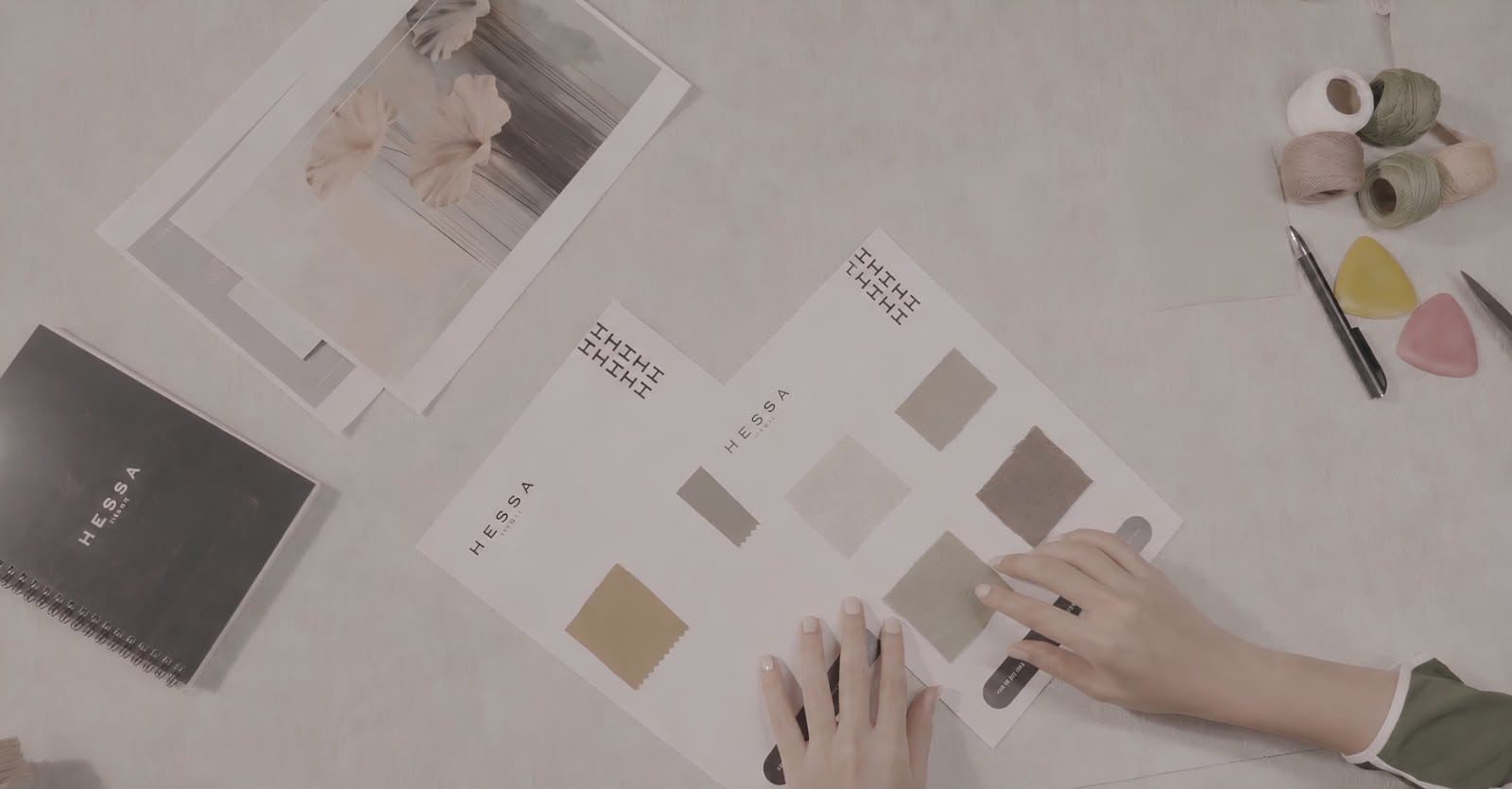
When the Challenge Isn't the Design
In many projects, the real challenge is not creating a good concept it is recognizing which concept is worth pursuing.
Several solutions may appear equally strong on paper, and many of them could produce acceptable results. But not every solution serves the same purpose. This is where decision-making becomes part of the design process rather than a step that comes afterward.
Over time, I came to understand that the quality of design is not measured by the number of options presented, but by the ability to identify the one that achieves the objective with the greatest clarity.
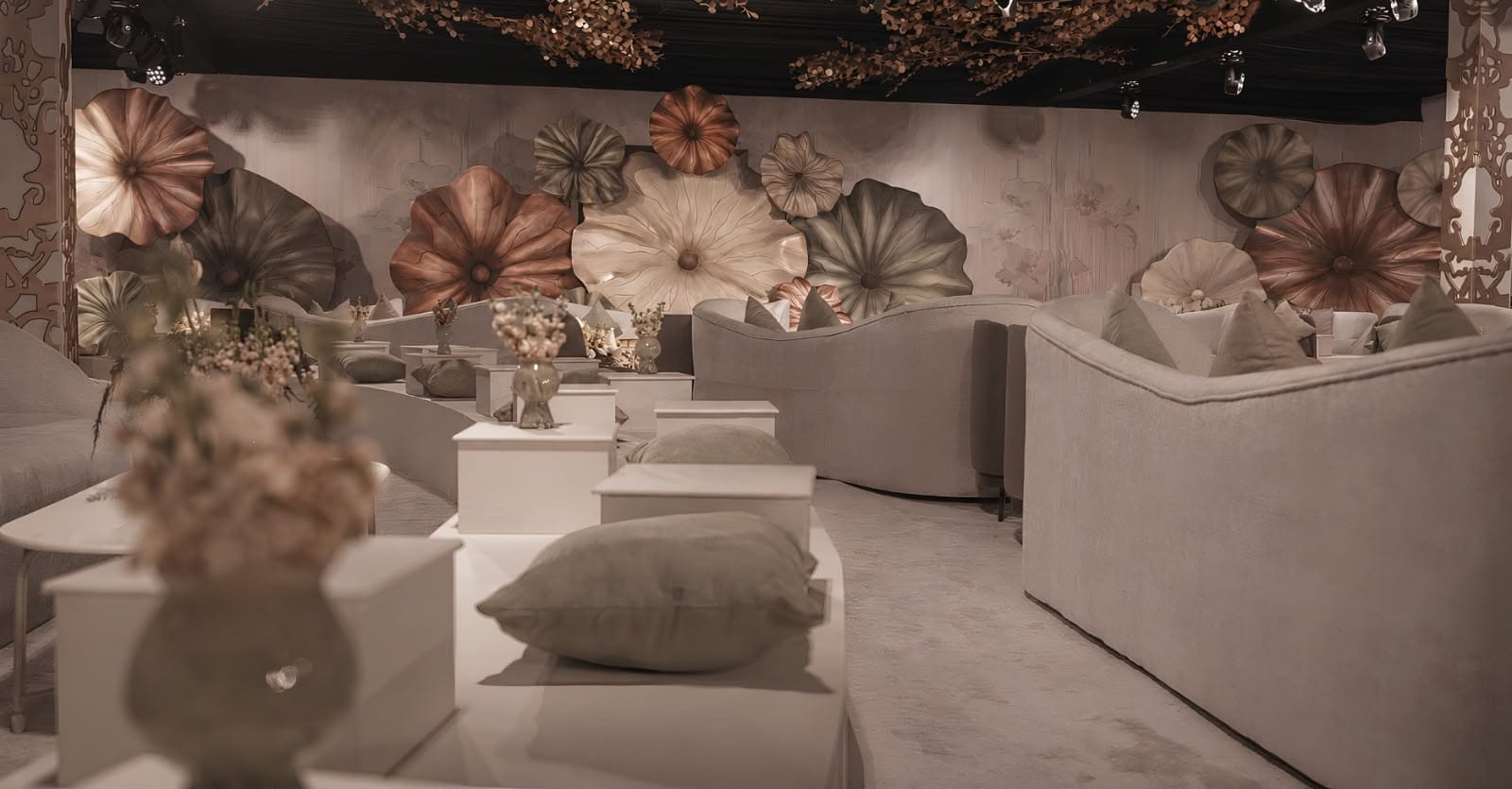
Experience Changes the Way You Choose
One of the biggest changes experience brought was the question I ask at the beginning of every project.
I used to ask:What is the most creative idea?
Today, I ask something different:What does this project truly need?
That single question changes everything that follows.
It shifts design from being a search for something visually impressive to becoming a response to a clearly defined purpose. Once the objective is clear, eliminating unsuitable options becomes easier, and every decision becomes more intentional.
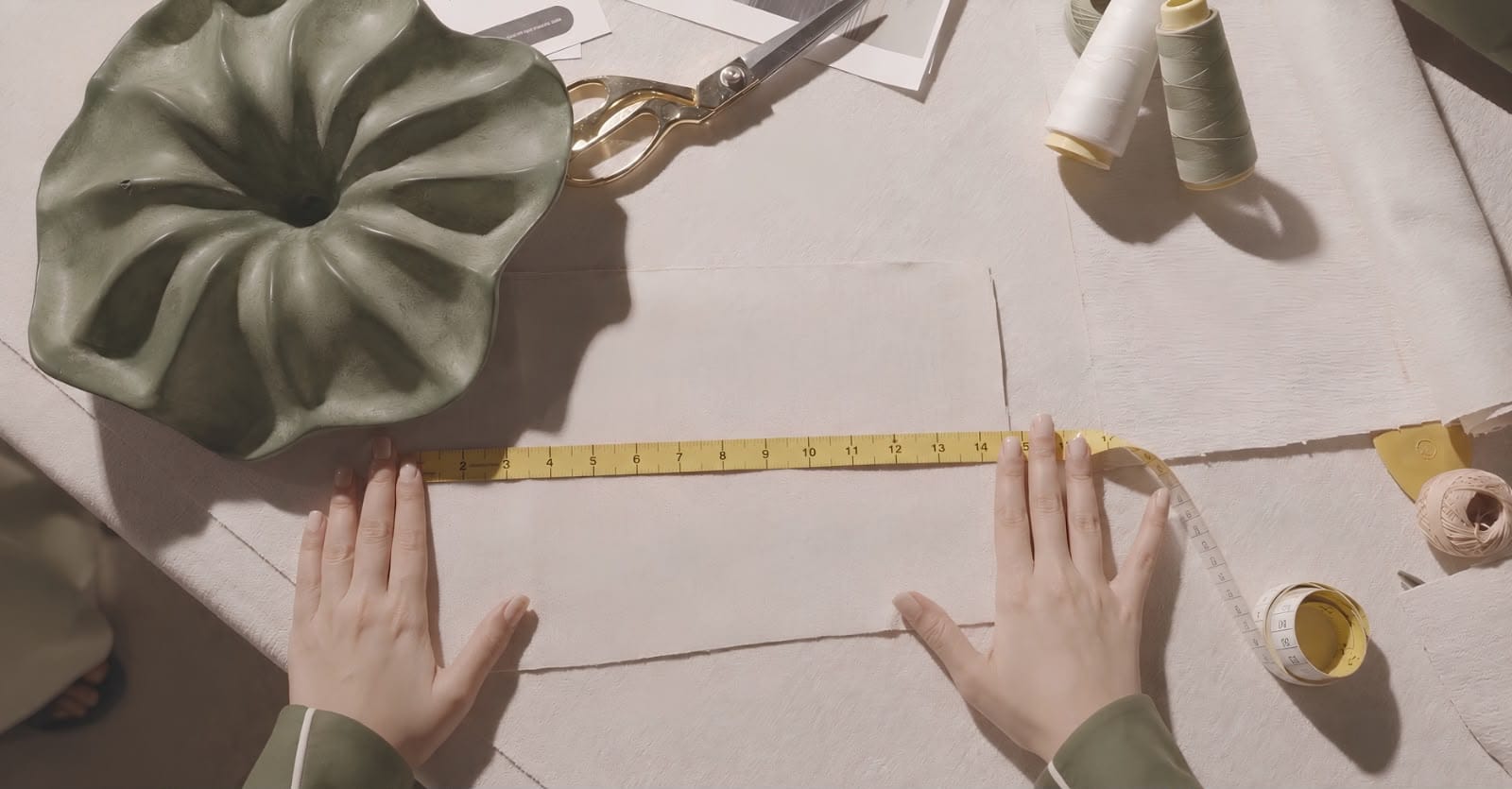
Not Every Good Idea Is the Right One
Every project naturally offers multiple possible directions.
Experience teaches that having several good ideas does not mean they are all equally suitable.
The right decision is not based solely on how strong an idea is. It depends on how well it aligns with the project's identity, its audience, the intended experience, and the outcome it is meant to achieve.
This is what makes design more than a creative exercise it becomes an ongoing process of evaluation, refinement, and thoughtful decision-making.
Design Begins Before Anything Is Drawn
Over the years, I have come to believe that the most important part of design happens before the first sketch.
It begins with understanding the project, interpreting its objectives, analyzing its needs, and identifying the priorities that should guide every decision.
The stronger this foundation becomes, the smoother the entire process feels. Decisions are no longer based on instinct alone, but on a deep understanding of what the design is meant to accomplish.
When Experience Becomes a Shortcut
Many people assume that experience makes work easier simply because it makes execution faster.
My experience has shown something different.
Experience saves time not because it increases speed, but because it reduces hesitation.
It makes decisions clearer, helps distinguish what genuinely adds value from what only distracts from the core idea, and allows the design process to move forward with greater confidence.
Decision-Making Is Part of Design Quality
Today, I believe a designer's maturity is reflected not in the number of ideas they can generate, but in the quality of the decisions they make while developing them.
Every project contains countless possibilities. The real value is not in exploring every one of them, but in recognizing which one deserves to become reality.
Design did not become easier because there were fewer ideas. It became easier because experience made the path to the right decision much clearer.


