


In recent years, heritage has become a central part of many projects, experiences, and design conversations across Saudi Arabia.
And I see that as a positive thing.
Because returning to our roots is, in many ways, a return to identity.
But at the same time, I have noticed something that appears more often than it should.
Not everything that looks traditional truly carries the spirit of heritage.
And that is where the real difference between using heritage and copying it begins.
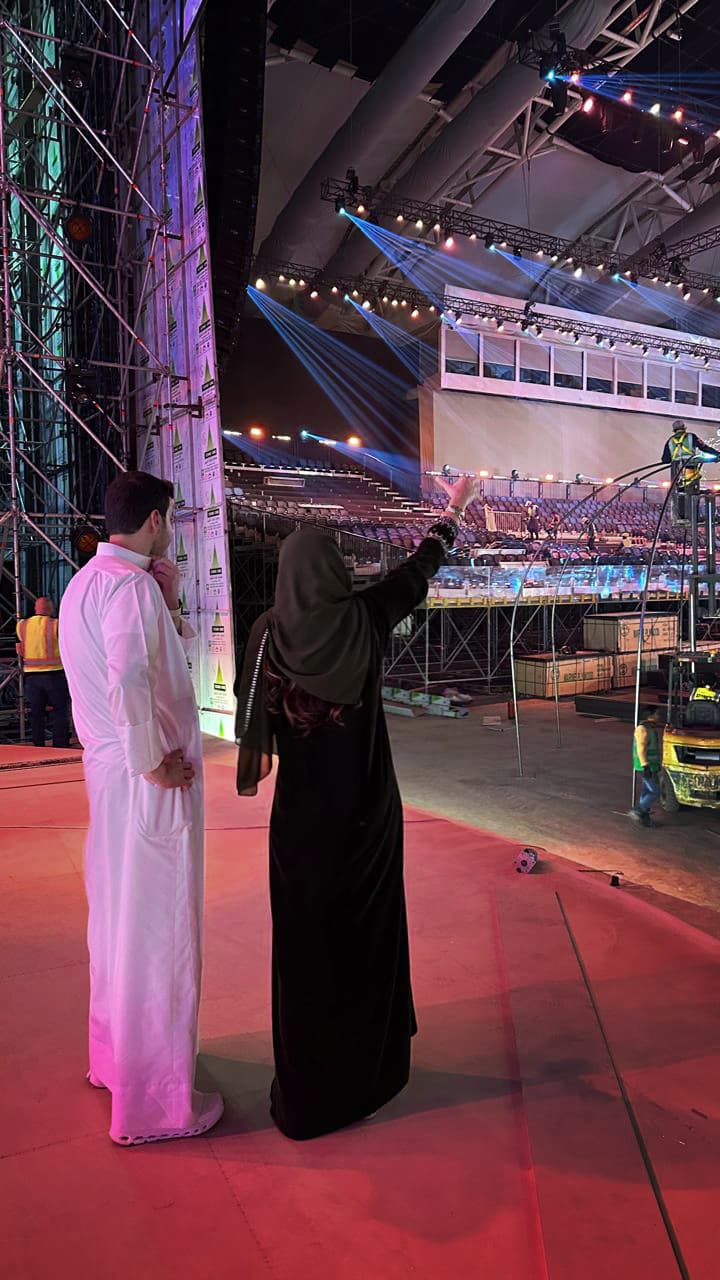
Copying Repeats The Form. Inspiration Carries The Meaning.
I believe the distinction begins with a simple question:
Are we recreating the form?
Or are we carrying the meaning?
When we copy heritage, we reproduce what we see.
When we draw inspiration from heritage, we seek to understand why these details existed in the first place.
Why were gathering spaces designed the way they were?
Why was generosity expressed through certain rituals?
Why do traditional environments still make people feel comfortable today?
These questions matter far more than the details themselves.
Because when design begins with meaning, it creates experiences that feel both contemporary and authentic.
In my experience, the most successful projects are rarely the ones that recreate the past exactly as it was.
They are the ones that understand it deeply enough to reinterpret it for the present.
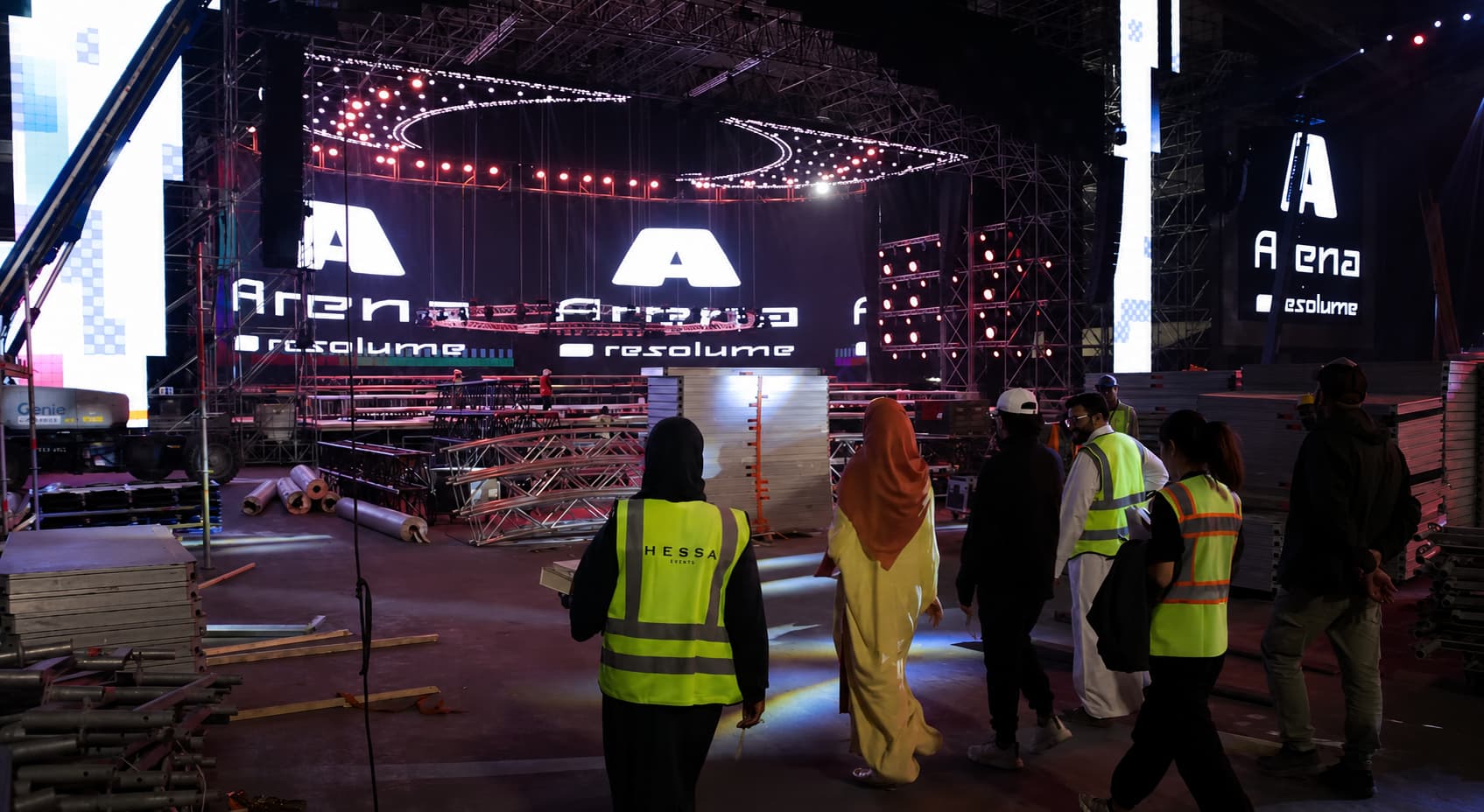
Culture Should Be Experienced, Not Displayed
One of the most common mistakes I see is treating culture as something to showcase.
As if the goal is simply for people to see it.
I believe the goal should be for people to feel it.
Guests may not remember every visual reference.
They may not know where a material came from.
They may not recognize every cultural detail.
But they will remember how a place made them feel.
Did they feel welcomed?
Did they feel comfortable?
Did they feel connected to something genuine?
Or did the experience simply look local without truly feeling authentic?
Culture is not something we place on display.
It is something people experience.
And this is why I believe the success of a culturally inspired experience should never be measured by how many heritage elements it contains.
It should be measured by how naturally it creates a sense of belonging.
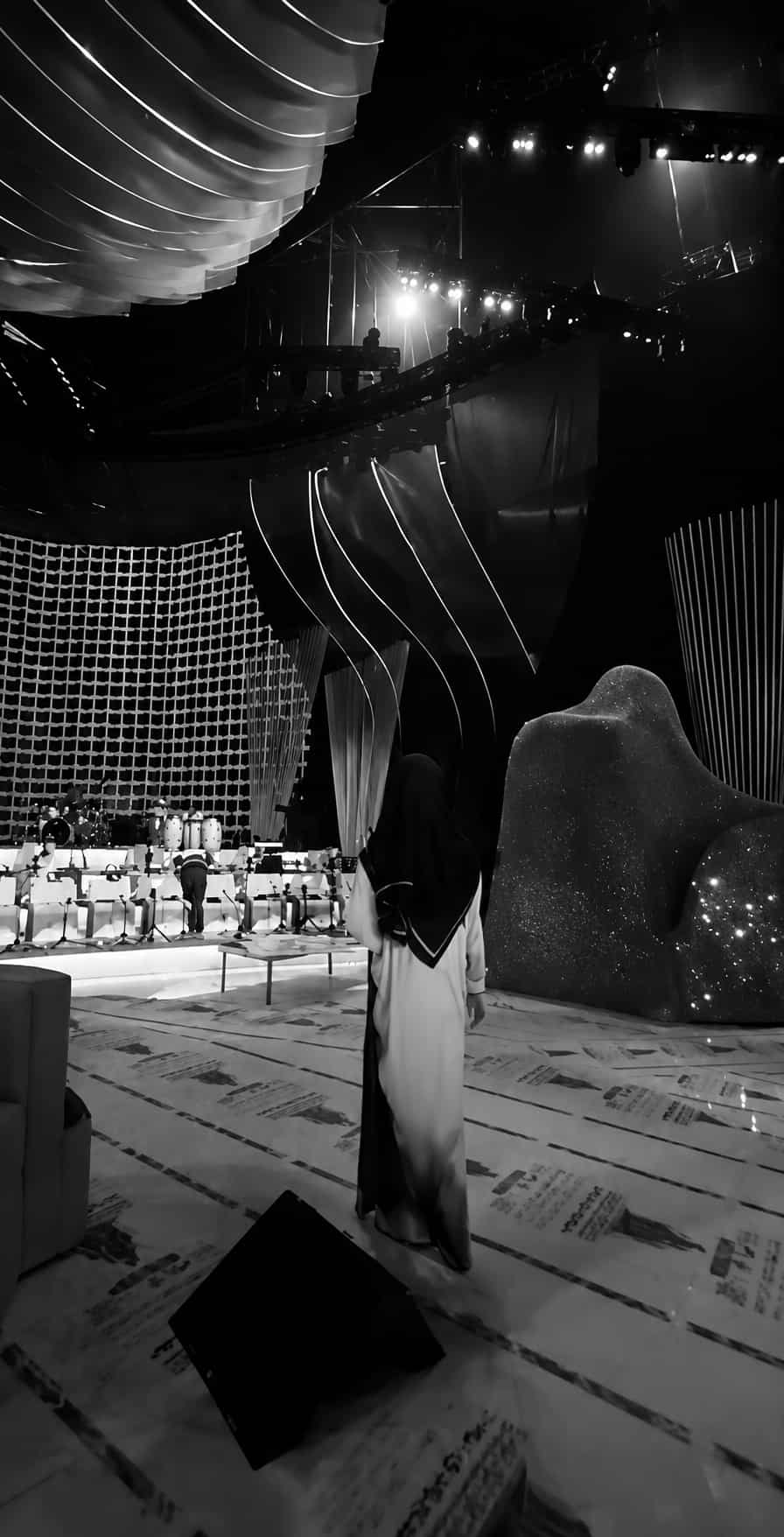
Heritage Is Not A Visual Style
Heritage is often reduced to a collection of recognizable visual elements.
Traditional patterns.
Historical objects.
Familiar colors.
Or decorative references borrowed from the past.
But to me, heritage has never been a visual style.
It is a way of thinking.
A set of values.
A way of welcoming people.
A relationship between people and place.
This is why adding traditional elements to a space does not automatically make an experience authentic.
Just as wearing traditional clothing does not automatically mean understanding the culture that created it.
True heritage is not only seen.
It is felt.
Authenticity Does Not Mean Living In The Past
Authenticity is often misunderstood.
Many people assume that preserving identity means recreating the past exactly as it was.
I see it differently.
Authenticity is not repetition.
It is continuity.
It is understanding the essence of an idea and allowing it to evolve for a different time.
This is why local materials can feel contemporary.
Why cultural references can feel global.
And why heritage can become part of the future instead of remaining a memory of the past.
When we understand it deeply enough.
The goal is not to live in the past.
The goal is to carry its wisdom forward.
Final Thought
I believe the most valuable thing heritage offers design is not its appearance.
It is its wisdom.
Because appearances can be copied.
But the philosophy behind them is far more difficult to replicate.
That is why whenever I begin a new project, I do not ask myself how to make it look more traditional.
I ask a different question:
How can it carry the spirit of the place it belongs to?
Because true heritage is never copied.
It is understood, interpreted, and experienced again in a way that feels relevant for today.


