


A place is often seen as a space waiting to be filled.
Walls, materials, lighting, and furnishings are carefully arranged to create an environment that serves a purpose.
Yet a place does not begin with what is added to it.
It begins with who it is.
Every place carries a distinct character long before design gives it form.
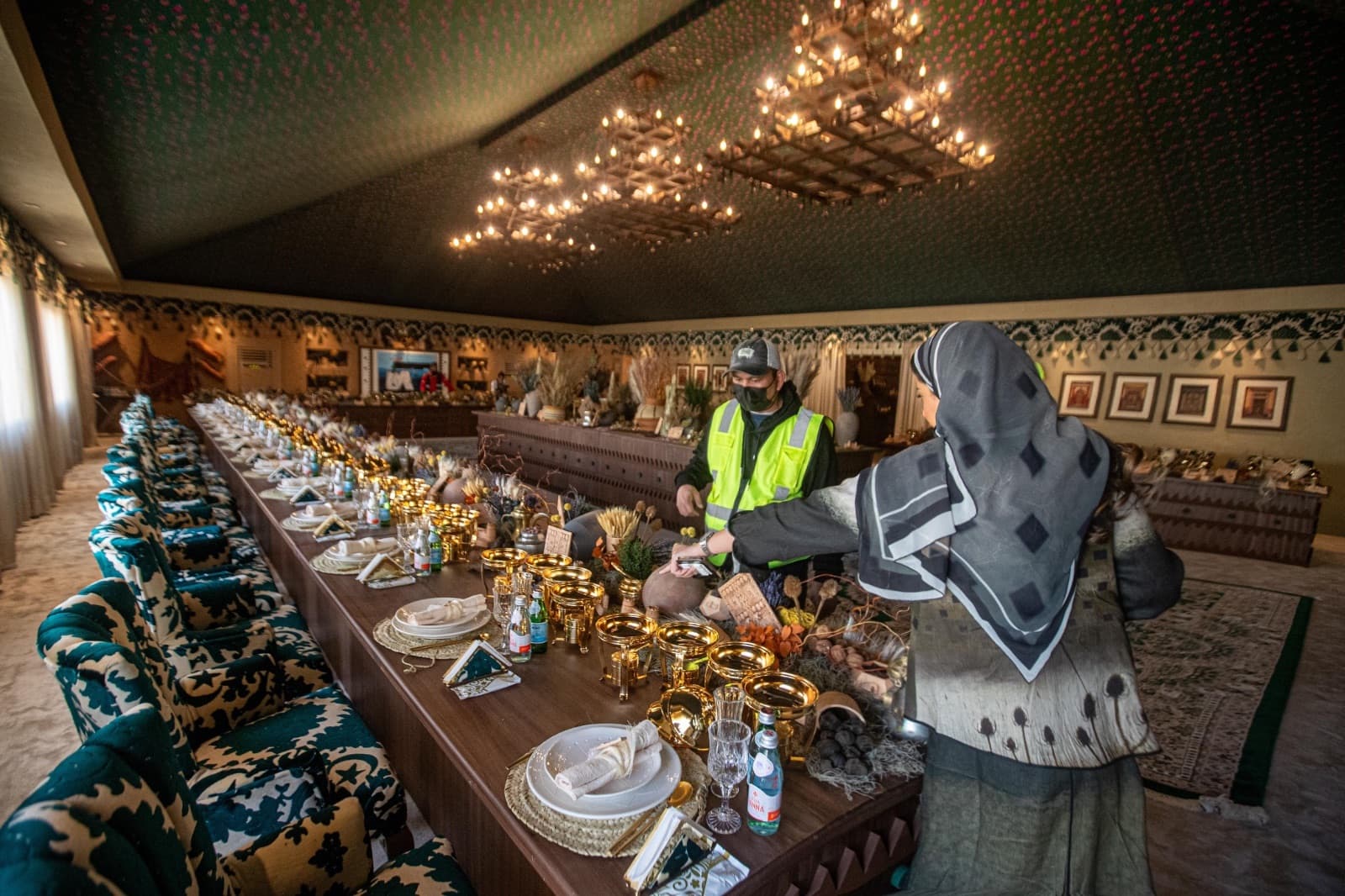
Personality Comes Before Design
Just as every person has a unique way of expressing themselves, every place has its own presence.
Some spaces invite quiet reflection.
Others encourage movement and conversation.
Some create a sense of warmth and familiarity, while others communicate formality and restraint.
These qualities are not created by design alone.
They already exist within the identity of the place.
Design simply gives them a voice.

No Two Places Should Tell the Same Story
One of the most common mistakes is approaching every project with the same perspective.
As though successful design can be repeated through a familiar formula.
But every place exists within its own context.
It has its own history, purpose, audience, and cultural significance.
Before asking "How should this place look?", a more important question should be asked:
Who is this place?
Is it calm?
Is it welcoming?
Is it cultural?
Is it ceremonial?
The answers shape every decision that follows.
Details Reflect Character
Just as words reveal the character of a person, details reveal the character of a place.
The arrival experience.
The choice of materials.
The quality of light.
The rhythm of movement.
The balance between openness and intimacy.
Each decision contributes to a larger story.
Individually they may seem small, but together they create a personality that people experience long before they consciously recognize it.
Understanding the Place Before Shaping It
Not every beautiful idea belongs everywhere.
A successful decision is not determined by how impressive it appears, but by how naturally it belongs.
When the personality of a place is understood, design becomes more intentional.
Choices become clearer.
Every element earns its place because it supports a shared identity rather than competing for attention.
A Place Is Remembered for More Than What It Looks Like
Years later, people may not remember the materials, the furniture, or the colours.
What they remember is how the place made them feel.
That feeling is rarely accidental.
It is the result of a place whose identity was understood before it was designed.
Because a place is never defined by its physical boundaries alone.
It is defined by its personality.
And when that personality becomes the foundation of every decision, design evolves from creating spaces into creating places with meaning.


