


Taste is often perceived as something innate.
As though some people are simply born knowing what is beautiful, what is balanced, and what deserves to remain.
But taste does not begin with the eye.
It begins with the way we learn to see.
Everyone can look at the same place.
Not everyone understands it in the same way.
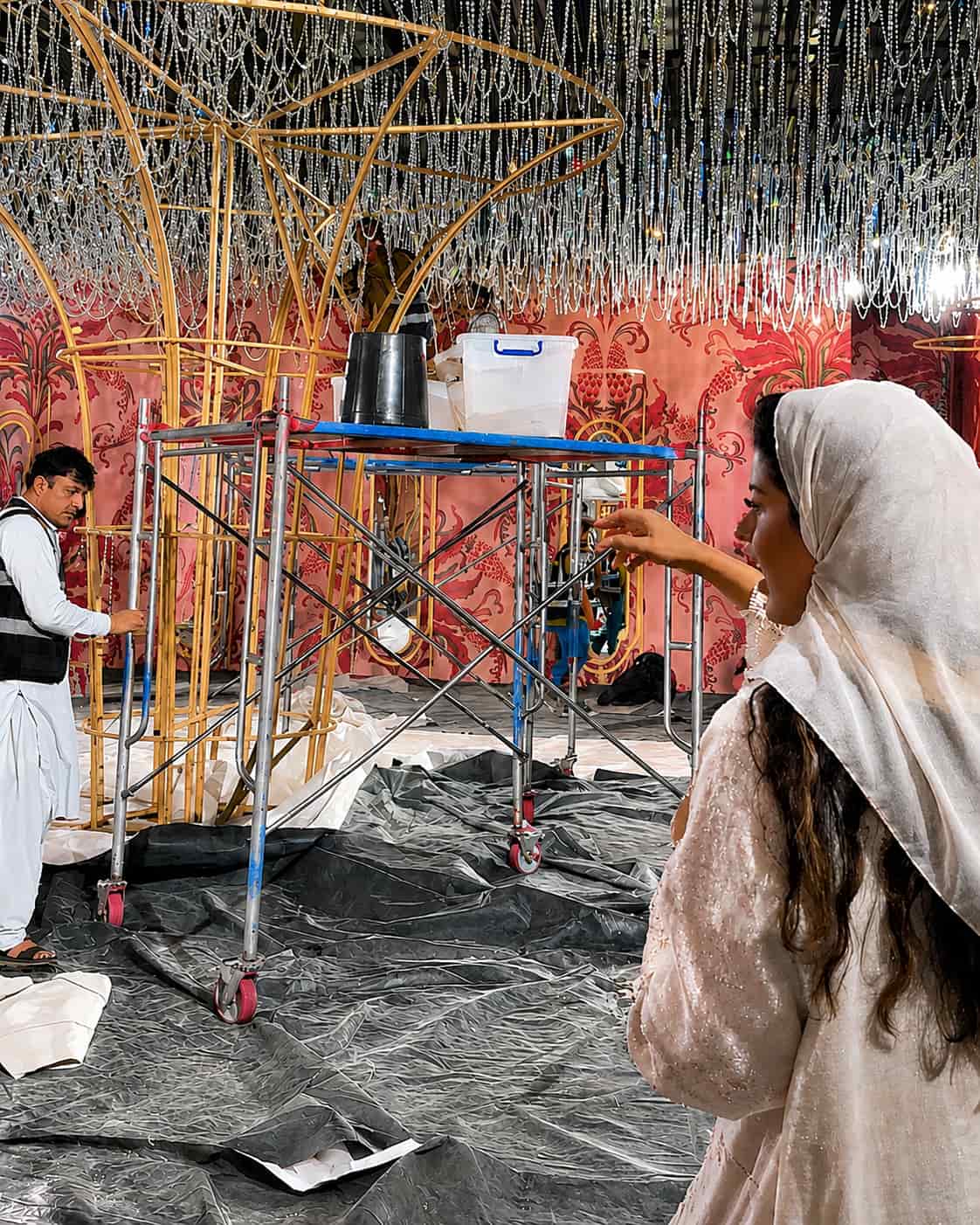
Taste Is More Than Preference
Many judgments begin with a simple phrase:
"I like it."
But preference is not the same as taste.
Preference is immediate.
Taste is understanding.
It is the ability to recognize why one idea feels more coherent than another, or why a place leaves a lasting impression that has little to do with its scale or cost.
For that reason, taste is not measured by what appeals to us.
It is measured by what we are able to understand and explain.
The Eye Learns Before It Judges
Taste is not developed by seeing more.
It is not built by collecting references or following what is popular.
It grows when observation becomes a habit.
When travel becomes an opportunity to understand cultures rather than simply consume destinations.
When reading expands perspective rather than merely adding information.
And when every experience leaves us with new questions instead of ready-made answers.
Taste evolves through understanding, not through exposure alone.
Culture Shapes the Way We See
Every culture has its own understanding of beauty.
Every place reflects values that quietly reveal themselves through its details.
Taste, therefore, cannot be separated from culture.
Every book, every city, every conversation, and every experience adds another layer to the way we interpret the world.
Over time, it is not only what we see that changes.
It is how we understand what we see.
Taste Knows That Value Does Not Need to Compete
As taste matures, it becomes less interested in excess.
It recognizes that value is not measured by how loudly it demands attention.
That beauty does not always need to be dramatic.
And that some of the most meaningful decisions are the ones that remain almost invisible, yet bring clarity and balance to everything around them.
Taste does not seek to impress.
It seeks to give meaning.
Taste Is a Journey, Not a Destination
There is no moment when taste can be considered complete.
It continues to evolve with every experience, every project, every conversation, and every new perspective.
Taste is not a gift reserved for a few.
It is a responsibility that is cultivated over time.
It is shaped by the way we observe the world, the questions we continue to ask, and the decisions we make as our understanding of beauty, value, and meaning becomes more refined.
Because taste is never inherited.
It is developed.


