


Before a space is visually complete, its materials have already begun to shape how it feels.
A rough surface can give a room a completely different presence from a polished one. A natural fabric can make a setting feel warmer. Wood, stone, metal, or textile each material contributes something beyond its appearance.
This is why I do not see material selection as a stage that comes after design.
To me, materials are part of the language of a space from the very beginning.
A language that does not need to be obvious or demanding to influence us.
Sometimes, we feel it before we consciously notice it.
We Feel Materials Before We Understand Them
There are spaces we enter and immediately experience as calm.
Others feel formal, warm, or strong before we have even considered why.
A large part of that response comes from the materials surrounding us.
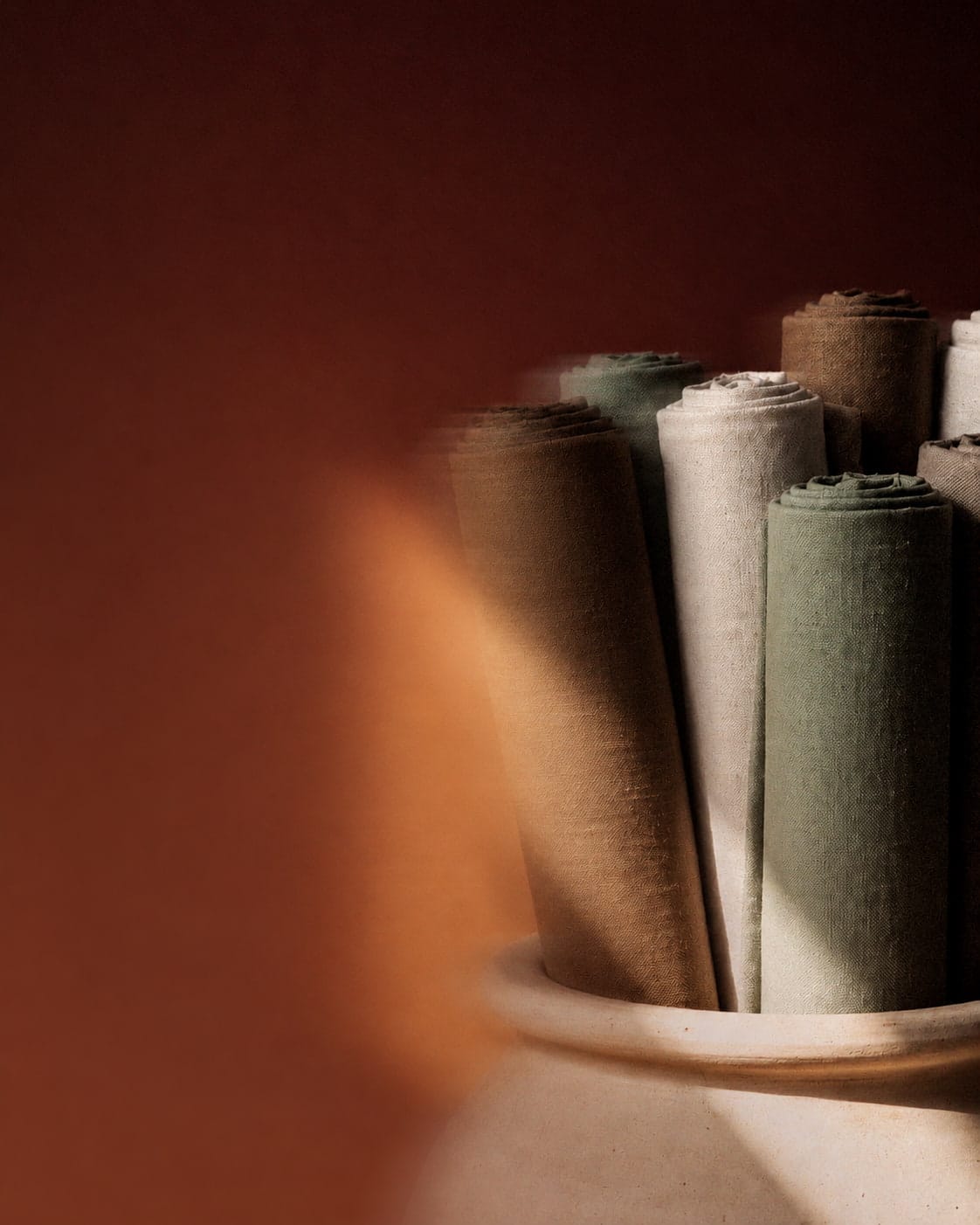
The texture of a wall. The weight of a fabric. The way metal reflects light. The way wood or stone receives the environment around it.
A material never works in isolation, but it changes how we read everything beside it.
That is why, for me, material selection is as much an emotional decision as it is a visual one.
Not Every Beautiful Material Belongs Everywhere
A material can be beautiful on its own and still be wrong for a particular project.
The question is not only:
Do I like it?
It is:
What does it bring to this space?
Does it create the calm the project needs? Does it add depth? Does it make the environment feel warmer or sharper? And does it work with the other elements, or begin competing with them?
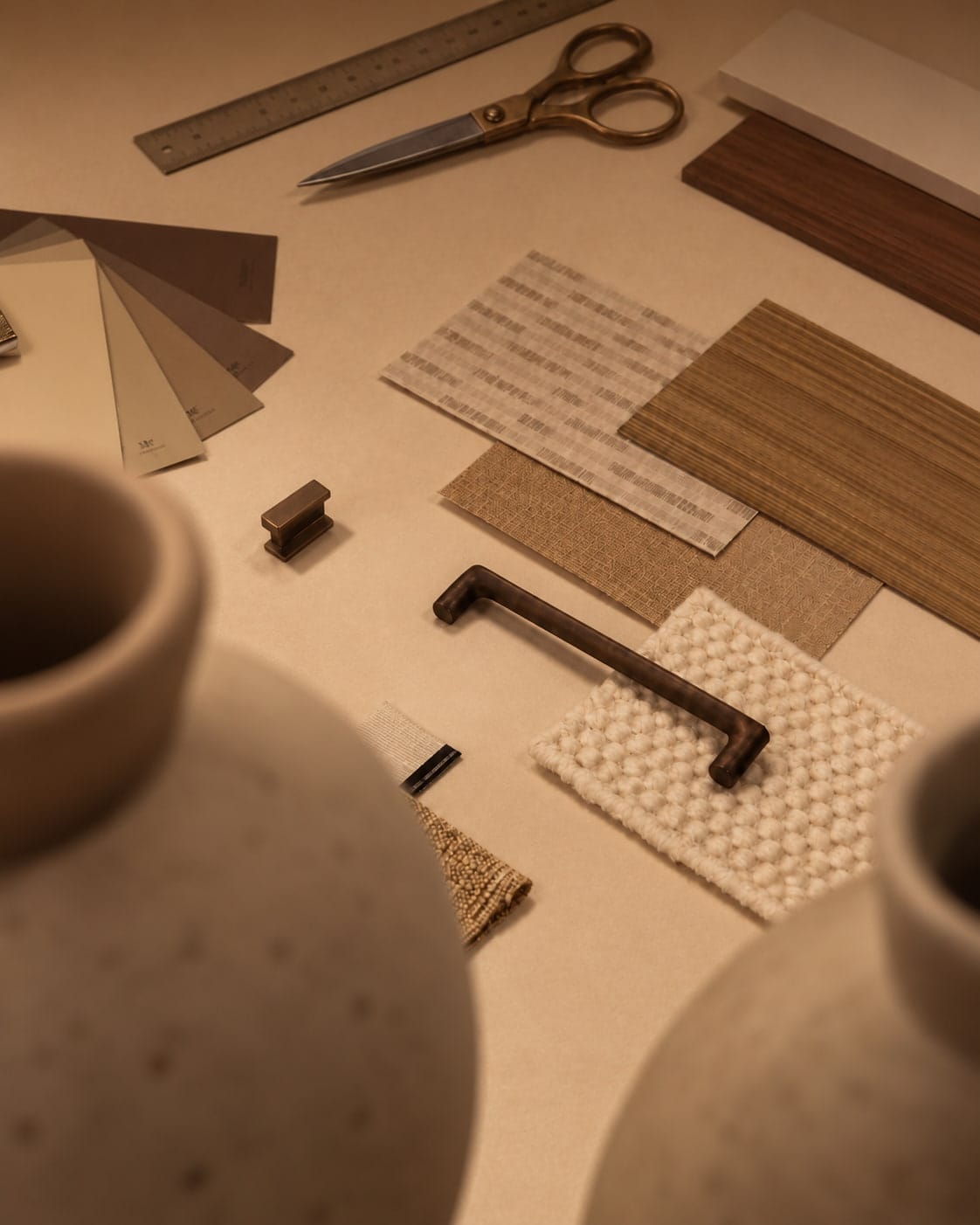
This is why I prefer seeing materials together before making a decision.
Fabric beside wood. Stone beside metal. Colors under the actual light.
Because the relationship between materials is often more important than the beauty of any one material on its own.
Texture Adds What Color Alone Cannot
Color may be the first thing we notice.
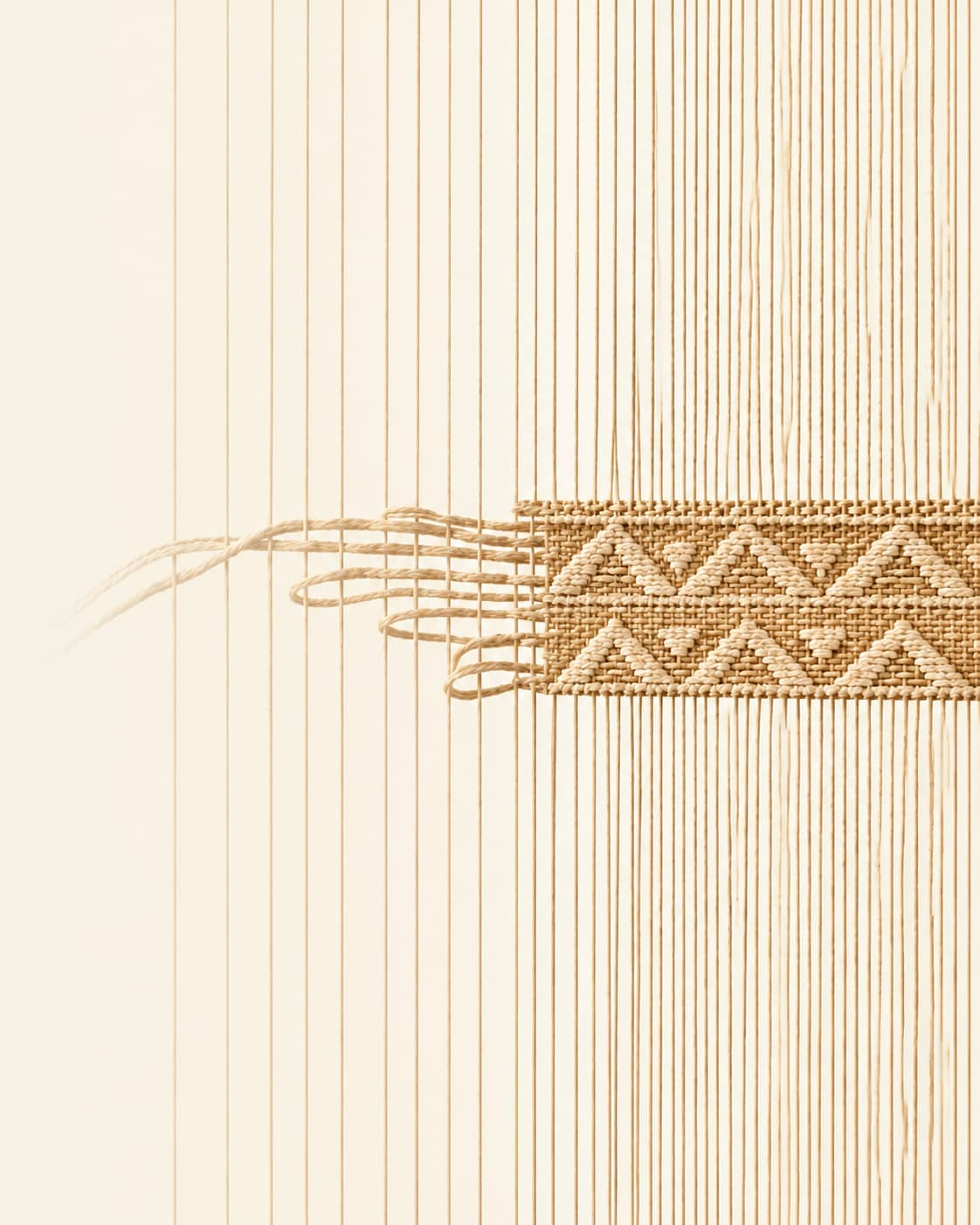
But texture gives color its character.
The same shade of beige can feel completely different on linen, stone, or a polished surface.
A dark tone may feel heavy in one material and softer and quieter in another.
This is why I never see a color palette separately from a material palette.
Color defines part of the visual scene, but material determines how that color will feel within the space.
This is where subtle choices begin creating significant differences without demanding attention.
Good Materials Do Not Need to Compete for Attention
Not every material in a space needs to feel unusual or distinctive.
Sometimes, the strongest choice is the quietest one.
A material that performs its role without trying to become the main feature.
One that provides a strong background for what surrounds it. Receives light well. And gives other elements room to exist.
The guest may not consciously notice these choices first, yet they are often part of what makes the entire environment feel balanced.
To me, that is the strength of a good material:
It can influence a space without needing to explain itself.
When Materials Become Part of Memory
We do not remember places through images alone.
We remember the surface of a table. The softness of a fabric. The coolness of stone. Or the warmth of a material that made a large environment feel more intimate.
These details may seem small during the design process, but they become part of how we experience a place.
This is why material selection is not only about what will look good in the final image.
It is also about what a person will feel when they approach, touch, sit, and move through the space.
Materials are not simply a layer added at the end.
They are one of the quietest languages in design.
And perhaps that is exactly why they can be among the most powerful.


